1. Introduction — Why Customs Now Matter More Than Ever
Since Brexit, every move between the UK and Germany (in either direction) is treated as an international import/export, not an intra-EU transfer. You cannot just pack your things and cross a border. Customs clearance, export declarations, import reliefs, and documentation are now mandatory.
This Customs Guide is the definitive authority on UK ↔ Germany customs in 2025. It consolidates all export and import procedures, reliefs (ToR1, Form 0350, BC-EAD), import VAT/duty rules, special categories (pets, vehicles, electronics), broker options, costs, timelines, and a massive FAQ.
Why you need this guide now
- Many existing articles are outdated or incomplete in the post-Brexit era.
- Google and AI answers often cite superficial sources — this guide will give you all the answers you need.
Related guide you should read to understand customs better:
- Do I Need a Customs Broker?
- Step-by-Step Packing List for Customs
- What Documents Are Needed for Customs Clearance?
- Germany → UK Customs After Brexit
- BC-EAD Export Declaration Explained
Official References are included below and throughout.
2. Customs Framework — The Big Picture
Find out how export and import procedures work, how transit fits in, roles of customs, and modern regulatory changes in 2025.
2.1 How Export / Transit / Import Interact
When you move goods between the UK and Germany:
- Export Declaration / Transit — The shipment must exit the origin country legally (T1, BC-EAD).
- Transit / Movement under Customs Control — Goods may cross borders under transit supervision (e.g., via Common Transit Convention).
- Import Declaration — At destination, you declare goods (ToR1, Form 0350) to claim relief or pay VAT/duties.
- Customs Clearance / Duty Collection — Customs inspects, applies VAT/duty or grants relief, then releases goods.
Transit rules ensure goods can move across customs territories without being taxed at each border, provided final importation is declared.
2.2 Key Regulatory Updates in 2025
- As of 31 January 2025, the UK introduced Safety & Security Declarations (Entry Summary Declarations, ENS) for goods imported from the EU. Carriers or importers must submit these in advance. GOV.UK
- The UK’s Border Target Operating Model (BTOM) continues to tighten checks, especially on high-risk goods (animals, plant products, food) and risk scoring. Customs Support Group+1
- Germany’s Zoll permits personal property import relief (Form 0350) if conditions are met (12 months outside EU, goods owned/used ≥ 6 months) and the import is made within 12 months of establishing residence in Germany. Zoll
- Zoll uses flat rate duty rates in some scenarios, but usually computes based on the tariff schedule. The standard import VAT rate in Germany is 19%, with a reduced 7% for certain goods. Zoll
- Germany updated its Intrastat thresholds for 2025 — arrivals threshold raised to €3 million, dispatches to €1 million. Destatis
2.3 Glossary — Customs Terms You Need to Know
| Term | Meaning (in this context) |
|---|---|
| T1 (Transit Document) | A permit under the Common Transit Convention that tracks goods crossing borders under customs control until they reach final destination. |
| BC-EAD / ABD | Ausfuhrbegleitdokument (Export Accompanying Document) used by German customs to authorize export of goods from Germany. |
| Form 0350 | German customs form: “Zollanmeldung für die Überführung von Übersiedlungsgut in den zollrechtlich freien Verkehr zur besonderen Verwendung”, used to import household goods duty-free under transfer of residence relief. |
| ToR1 (Transfer of Residence Relief) | UK import relief allowing used personal property to enter the UK VAT- and duty-free under conditions. |
| Safety & Security Declaration (ENS) | Advance data required for goods entering the UK (from 31 Jan 2025) to permit safety/risk assessment. |
| Broker / Customs Agent | A licensed intermediary who handles export/import declarations and communications with customs authorities on your behalf. |
3. Export Documents — How to Legally Depart
This part breaks down export procedures in both directions, with steps, pitfalls, and internal links.
3.1 Germany → UK: BC-EAD / Export Filing
What is BC-EAD?
- It is the Export Accompanying Document (Ausfuhrbegleitdokument), which moves with the goods through customs until exit is confirmed.
- After export, German customs issues the Ausgangsvermerk (exit endorsement) as proof that goods left the EU.
How to File It
- Your removal company must file via Germany’s ATLAS customs system.
- Requires a detailed packing list, ID, contract, and EORI (if applicable).
- After acceptance, goods can lawfully exit Germany.
Common delays / mistakes
- Vague packing lists (e.g. “household goods”)
- Not using correct signatures
- Discrepancies in values or quantities
- Missing the exit endorsement
Related guides:
Official resource:
- Zoll – Export Declarations procedures Zoll+1
3.2 UK → Germany: T1 Transit Document
What is T1?
- Under the Common Transit Convention, the T1 document allows goods to transit from the UK (non-EU) into the EU under customs control until final destination in Germany.
How to Create It
- Usually filed by your movers or a customs broker.
- Requires: exporter info, consignee info, value, description, packing list, transport route.
- Must be carried and discharged at German customs point.
Discharge & Exit Points
- Upon arrival at a German customs checkpoint, your T1 must be discharged (customs signs off) before goods can be released into German circulation.
- Failure to discharge triggers penalties or detention.
Related guides:
Official resources:
- European Commission / Access2Markets: transit and entry summary rules EU Trade
- GOV.UK – Transit & Common Transit Convention guidelines House of Commons Library+1
3.3 Wiki Annex – Export / Transit Terms
| Term | Definition |
|---|---|
| Transit | Movement of goods under customs control across borders, without duties being paid until final destination. |
| Discharge (T1) | The act of customs confirming a T1 document at the destination checkpoint, releasing goods into the target country. |
| EORI | Economic Operators Registration and Identification number — needed for customs transactions with EU/non-EU. |
| ATLAS | German electronic customs system for filing export/import declarations. |
4. Import Documents — How to Bring Goods into the Country
4.1 Germany → UK: ToR1 Transfer of Residence Relief
What is ToR1?
ToR1 (Transfer of Residence relief) is a relief under UK law that allows individuals to import used personal belongings duty- and VAT-free when they relocate to the UK, subject to strict eligibility rules. Without ToR1, your goods can be treated as commercial imports and taxed accordingly.
Eligibility Criteria (must satisfy all):
- You must have been resident outside the UK for at least 12 continuous months prior to the relocation.
- The goods must be used in your ownership for at least 6 months before import.
- Goods must be for personal use, not for resale.
- Import must occur within 12 months of relocating.
- You must declare the goods via the ToR1 process before or at the time of import.
How to Apply (step-by-step)
- Go to the HMRC ToR1 application portal on GOV.UK.
- Log in / register via Government Gateway.
- Fill in personal details, UK arrival address, overseas address history, etc.
- Upload required documents: passport, proof of residence abroad, UK rental or employment contract, detailed boxed packing list.
- Submit application. HMRC reviews, may ask follow-up queries.
- If approved, you receive a ToR reference number.
- Provide this reference to your mover/shipper so they pass it to UK customs for clearance.
Common Rejection Causes & How to Avoid Them
- Vague packing list: use item-by-item listing.
- Insufficient proof of residence abroad: use bank statements, council tax, utility bills.
- Goods less than 6 months old: newly purchased items are disqualified.
- Application too late: must submit before goods arrive.
- Errors in names / addresses: must match exactly across IDs, contracts, etc.
Example Scenario
Sarah lived in France for 3 years. She owns boxes of furniture, clothes, and appliances she used in France for 8 years. She applies for ToR1 two months before moving back to the UK, submits all docs correctly. HMRC approves, assigns reference, her belongings clear UK customs duty-free.
If she instead had included a new TV bought 2 months prior, that item would be taxed.
If you’re relocating from the UK to Germany, follow the dedicated UK → Germany moving guide for the full customs and visa process.
Related guides:
- How to Apply for ToR1 (2025 Guide)
- Get ToR Approval Faster – Tips & Timeline
- Understanding the ToR1 Application
Official resources:
- HMRC – Transfer of Residence Relief (GOV.UK) (gov.uk)
📦 Estimate how customs and logistics affect your total moving cost.
Instant UK ↔ Germany Move Cost Calculator
Get an instant estimate for your relocation. No signup required.
4.2 UK → Germany: Form 0350 – Duty-Free Import of Household Goods
Purpose & Overview
Form 0350 (“Antrag Zollbefreiung Umzugsgut”) is the German customs form to bring used household goods into Germany duty- and VAT-free, under transfer of residence relief. It’s Germany’s counterpart to UK’s ToR1.
Conditions / Requirements
- Your relocation must be your primary residence move into Germany.
- You must have lived outside Germany (or EU) for at least 12 months.
- Goods must be in your ownership & used for at least 6 months.
- Goods should be imported within 12 months of your arrival in Germany.
- You must submit Form 0350 at a German customs office (Zollamt).
- German registration (Anmeldung) is usually needed to prove residence.
Required Documents
- Passport or national ID.
- Proof of UK residence (P60, council tax statements, utility bills).
- Copy of German rental contract / proof of German address.
- Signed removal contract/invoice.
- Very detailed, numbered packing list describing contents box-by-box.
- If applicable, vehicle registration documents, if including car.
Filing & Clearance Process
- Submit Form 0350 to the Zollamt where your goods will first enter Germany.
- Customs reviews your application. They may request further documentation, valuations, or photographs.
- If approved, customs grants duty-free entry, releasing goods into free circulation.
- If denied, VAT (19%) plus duties may apply on declared value.
Common Pitfalls & Tips
- Submitting after too long: backlog or rejection if beyond 12 months.
- Incomplete or vague documents.
- Failing to register (Anmeldung) in Germany before applying.
- Not including a car properly in the application.
Example Scenario
John moves from London to Munich. He owned furniture for 10 years and applies Form 0350 upon arrival. His application is successful, his goods are cleared without VAT. If his application was delayed until after 15 months, he may lose relief and be taxed.
Related guides:
Authority Link:
- German Zoll – Moving to Germany (Zollamt import rules) (zoll.de)
4.3 Import Reliefs Compared — ToR1 vs Form 0350
| Feature | ToR1 (UK import) | Form 0350 (German import) |
|---|---|---|
| Relief type | VAT & duty exemption on used goods | Duty & VAT exemption if criteria satisfied |
| Ownership requirement | ≥ 6 months | ≥ 6 months |
| Residence requirement | 12 months abroad | 12 months outside Germany/EU |
| Time limit | Must import within 12 months | Must import within 12 months of arrival |
| Complexity | HMRC application, UK customs clearance | German customs office, local Zoll processing |
This table helps readers decide which relief applies depending on direction.
5. Customs Costs & Hidden Fees
Even with relief, there are costs you must budget. This section dives deeper with examples, formulas, and mitigation strategies.
5.1 Standard Fees & When They Apply
- Import VAT: If relief fails or for new goods, up to 19% (Germany) or 20% (UK).
- Customs duty: Usually low for household goods (2–5%), but high for specific categories (wine, electronics).
- Broker / Agent fees: £150–£300+ for handling export/import filings.
- Handling / terminal charges: For container unloading or port handling.
5.2 Hidden & Overlooked Expenses
- Storage charges: Goods held while paperwork processed, approx. €25–€40/day.
- Redelivery cost: If vehicle can’t reach your address, extra cartage to bring goods in.
- City permits / street access: Large trucks may need special permits in German cities (~€50–€150).
- Inspection charges: Customs random checks may incur extra handling or insurance cost.
- Document translation / notarization: Some German customs require German versions of documents.
- Penalties / fines: For discrepancies in declarations, missing documents, or late submissions.
5.3 Real Cost Examples
- Scenario A: 2-bedroom flat, 20 m³. Relief works: £3,200–£3,600 cost including insurance, brokerage.
- Scenario B: Same move but relief denied: +19% VAT (~£608 extra), broker fee, redelivery costs = ~£4,300.
- Scenario C: Storage hold of 5 days: €200 extra. Plus permit fees €100.
5.4 Mitigation Strategies
- Submit complete, accurate documentation first time to avoid storage delays.
- Use experienced customs brokers who know local German Zoll offices.
- Request pre-clearance where possible.
- Avoid peak seasons and congested city deliveries.
- Photograph/scan all documents for backup.
See our full Budgeting & Costs Master Guide for a complete cost breakdown and hidden fee checklist.
6. Clearance Timelines & Delay Strategies
This section fleshes timelines, real-world delay causes, and tactics to shortcut them.
6.1 Typical Clearance Durations
| Procedure | Normal Duration | Influencing Factor |
|---|---|---|
| HMRC ToR1 approval | 4–6 weeks | Peak season can push to 8 weeks |
| German Form 0350 processing | 2–7 days | Local customs workload, document completeness |
| BC-EAD export filing | Same day / hours | If the removal company is experienced |
| T1 discharge | 1–3 days | If route & customs point correct |
6.2 Causes of Delays
- Incomplete documentation (packing list, proof of residence).
- Local customs office backlog.
- Discrepancies or queries requiring supplemental documentation.
- Misrouting or container transshipment delays.
- Public holidays, strikes, or seasonal surges.
6.3 Acceleration Tips
- Submit digital copies in advance of arrival.
- Track customs office performance (some offices are faster).
- Request priority handling where offered.
- Use customs brokers familiar with local German offices.
- Pre-validate your packing list & proof documents with broker. See the customs-ready packing workflow for UK ↔ Germany shipments.
6.4 Scenario Matrix
Case: Berlin customs office slower vs Hamburg faster
- If your shipment enters via Hamburg, you may clear in 2 days, whereas Berlin might take 5–6 days.
- For high-value goods: pre-declare classification codes to reduce inspection time.
6.5 Glossary — Timeline Terms
| Term | Definition |
|---|---|
| Discharge (T1) | Customs action marking the T1 document as complete at arrival point. |
| Customs Office (Zollamt) | The local German customs authority receiving declarations. |
| Clearance | Approval by customs to release goods into free circulation. |
| Pre-clearance / Pre-notification | Submitting documentation ahead of arrival to speed approval. |
7. Special Items under UK ↔ Germany Customs Rules (2025)
Relocating between the UK and Germany doesn’t just mean furniture and boxes. Some possessions — pets, cars, electronics, plants, alcohol, artwork — trigger special customs procedures because of safety, taxation, or bio-security regulations.
This section explains exactly how to handle them so you avoid duty charges, confiscation, or delays.
7.1 Moving Pets between the UK and Germany
Why Pets Need Customs Attention
Since Brexit, pet movement is no longer intra-EU travel. Pets now fall under animal-health import/export controls, overseen by DEFRA in the UK and the Federal Food Safety and Veterinary Office (BVL/Tiergesundheitsdienst) in Germany.
Moving a dog or cat counts as a non-commercial import/export of live animals, and each pet requires its own documents at border inspection posts.
Requirements for UK → Germany Moves
- Microchip — ISO 11784/11785-compliant; must be readable by EU scanners.
- Rabies Vaccination — administered after microchipping and at least 21 days before entry.
- Animal Health Certificate (AHC) — issued by a UK official veterinarian within 10 days of travel.
- Tapeworm Treatment — for dogs, 1 to 5 days before arrival.
- Approved Route — entry through designated EU Border Control Posts (Frankfurt, Munich, Hamburg).
Requirements for Germany → UK Moves
- Microchip and Rabies Vaccination (21-day rule).
- Animal Health Certificate or Pet Passport issued in the EU.
- Tapeworm Treatment 1–5 days before arrival (for dogs only).
- Approved Routes & Transporters — only ferry and air routes licensed by DEFRA.
Typical Costs and Timelines
| Item | Average Cost | Timeline |
|---|---|---|
| Microchip + rabies | £60–£90 | Same day |
| AHC (UK vet) | £150–£250 | Within 10 days of travel |
| Pet Transport Service | £500–£1 200 | 2–5 days door-to-door |
Official sources
- DEFRA – Bringing Pets to Great Britain
- German Customs – Importing Pets to Germany
Internal Link: How to Move Pets Germany → UK in 2025
Common Mistakes to Avoid
- Using an old EU pet passport issued in the UK (before Brexit).
- Missing tapeworm treatment certificate (dogs are refused entry).
- Arriving via a non-approved airport or ferry route.
- Failing to register pets with German local authority within 14 days of arrival.
7.2 Importing Cars & Vehicles
Cars are high-value goods with their own duty and registration rules. When relocating, you may qualify for vehicle import relief under ToR1 (UK) or Form 0350 (Germany).
Germany → UK Car Moves (Import to UK)
- Eligible for ToR1 if you owned and used the car abroad ≥ 6 months.
- Vehicle must not be sold or disposed within 12 months after import.
- Documents needed: V5C, German Zulassungsbescheinigung, proof of ownership, insurance.
- If not eligible, you pay 10 % customs duty + 20 % VAT on value.
UK → Germany Car Moves (Import to Germany)
- Covered by Form 0350 if you lived outside Germany ≥ 12 months and owned the car ≥ 6 months.
- Requires German registration inspection (TÜV) + CO₂ emission tax registration.
- VAT exemption applies only if relief granted; otherwise 19 % VAT on market value.
- Customs may request original V5C and purchase invoice.
Estimated Vehicle Import Costs
| Item | Germany → UK | UK → Germany |
|---|---|---|
| Shipping | £800 – £1 500 | £700 – £1 400 |
| Customs Broker | £150 – £300 | €150 – €250 |
| TÜV inspection | – | €100 – €200 |
| Import Duty (if no relief) | 10 % | 10 % |
| VAT (if no relief) | 20 % | 19 % |
Related: Germany → UK Car Relocation Guide 2025
Official resources: HMRC – Importing a vehicle to the UK | Zoll – Motor vehicle imports
7.3 Moving Electronics & Appliances
Electronics and large appliances can be tricky when crossing customs because of voltage differences, valuation for VAT, and compliance with safety standards.
Voltage and Plug Compatibility
- UK operates on 230 V / 50 Hz electricity with a Type G plug.
- Germany uses 230 V / 50 Hz, but with Type F (Schuko) plugs.
- Most modern devices (laptops, phones, monitors) are dual-voltage and only need an adapter.
- Large appliances (washers, ovens) may require rewiring or converter plugs approved for German sockets.
Customs Classification
Electronics are often subject to duty if they are new or under 6 months old.
When declared as part of ToR1 or Form 0350 relief, used personal electronics are duty-free.
How Customs Valuation Works
- Customs uses your declared value, but may cross-check with market prices.
- If receipts are missing, they estimate value based on type and year of purchase.
- If the declared value looks too low, they can apply reference values or request proof.
Practical Example
Maria moves from London to Cologne with a 3-year-old 65” TV, gaming PC, and espresso machine.
Her Form 0350 application includes a clear inventory and receipts. Zoll accepts the used values, no VAT.
If Maria had bought a brand-new MacBook a month before the move, customs could exclude it from relief and charge 19 % VAT on its current retail price.
Related: How to Move Electronics Safely (2025)
Official resource: EU TARIC Database – classification of electronics.
Packing & Insurance Tips
- Photograph serial numbers before packing.
- Label boxes “fragile electronics.”
- Declare approximate replacement value for insurance purposes.
- Disconnect detachable power cords and pack separately to avoid breakage.
7.4 Plants, Seeds & Soil
After Brexit, plants, seeds, and soil are among the most heavily regulated goods under both UK DEFRA and Germany’s Federal Office for Agriculture and Food (BLE).
UK → Germany
- Plants must come with a Phytosanitary Certificate issued by DEFRA.
- You must declare them at entry and import only via approved Border Control Posts (BCPs).
- Soil and untreated wood are considered high-risk and often prohibited.
- Houseplants (succulents, cacti, orchids) can enter if properly labelled and pest-free.
Germany → UK
- DEFRA requires advance notification via the PEACH / IPAFFS system.
- You must use approved routes (airports, ferry ports with plant-inspection posts).
- High-risk species (fruit trees, vines, rooted herbs) need additional documentation.
Costs & Common Issues
| Item | Typical Cost | Comments |
|---|---|---|
| Phytosanitary Certificate | £20–£40 per shipment | Required for most plants |
| Inspection Fee (UK) | £30–£60 | DEFRA check |
| Destruction Fee | £100+ | For non-compliant plants |
Official sources:
- DEFRA – Import Plants and Plant Products
- German BLE – Plant Imports
Related guides: Step-by-Step Packing List for Customs (Template)
Best Practices
- Never transport soil or unprocessed seeds unless certified.
- Clean pots and remove debris before packing.
- Use plant-health-approved courier services.
7.5 Alcohol & Tobacco
These are not covered by ToR1 or Form 0350 reliefs because they attract excise duties.
Duty-Free Allowances
| Product | Allowance per Adult | Notes |
|---|---|---|
| Still wine | 4 litres | Equivalent to ~5 bottles |
| Beer | 16 litres | |
| Spirits | 1 litre (>22 %) | or 2 litres fortified wine |
| Tobacco | 200 cigarettes / 250 g tobacco | For personal use only |
Amounts above these thresholds are taxable at arrival.
Declaring Alcohol in Household Shipments
If you include wine or spirits with your furniture, declare them separately with volume and alcohol %.
Customs may detain or destroy undeclared alcohol.
Official sources:
- GOV.UK – Bringing Goods into the UK
- Zoll – Duty-Free Allowances on Arrival
7.6 Antiques & Works of Art
Antiques often qualify for reduced VAT (5 % in the UK, 7 % in Germany).
To qualify, items must be at least 100 years old or recognised as cultural artefacts.
UK Import (Germany → UK)
- You can include antiques under ToR1 if they are personal property.
- If you plan to sell them, declare under “temporary import” instead.
- Professional valuation or certificate of authenticity recommended.
Germany Import (UK → Germany)
- Declare separately with Form 0350 or as “collectibles.”
- VAT at 7 % may apply if relief not granted.
- Zoll may request photos and provenance records.
Official sources:
- HMRC – VAT Notice 702: Imports
- German Cultural Property Protection Act (kulturgutschutz-deutschland.de)
7.7 Restricted & Prohibited Items
Certain items are prohibited or require special permits when crossing UK/EU borders.
Commonly Restricted
- Firearms and ammunition (import licence required).
- Medicines and controlled substances.
- Cultural artefacts, fossils, ivory.
- Food of animal origin (milk, meat) unless commercially packaged.
- Counterfeit goods or pirated media.
Practical Examples
- A hunter moving a sporting rifle from the UK to Germany must apply for both a UK export licence and a German import permit (BKA).
- Herbal medicines containing controlled ingredients (CBD > 0.2 % THC) may be seized.
- Bringing homemade jam or meat pies is technically import of “products of animal origin” — often confiscated.
Official References:
- GOV.UK – Prohibited and Restricted Imports
- Zoll – Prohibitions and Restrictions
Wiki-Style Glossary for Section 7
| Term | Definition |
|---|---|
| Phytosanitary Certificate | Official document confirming plants are pest- and disease-free for export/import. |
| BCP (Border Control Post) | EU-designated inspection point for animals and plants. |
| TÜV | German technical inspection agency that certifies vehicles for road use. |
| Excise Duty | Tax applied to specific goods such as alcohol and tobacco. |
| Cultural Property Licence | Permit required for exporting or importing artworks and antiques of national value. |
8. Using a Customs Broker vs DIY Declarations
Relocating between the UK and Germany means navigating two customs systems — HMRC and Zoll — each with its own digital portals, document formats, and rules. Many movers wonder: should you hire a customs broker, or can you do it yourself?
This section provides a balanced, fact-checked comparison between professional brokerage and DIY customs handling.
It includes cost ranges, real-world scenarios, and links to both authority and internal resources.
8.1 What a Customs Broker Actually Does
A customs broker acts as your licensed intermediary with HMRC (UK) or Zoll (Germany).
They are authorised to file electronic declarations, submit paperwork, pay duties on your behalf, and communicate with customs officers if your shipment is inspected.
Their main responsibilities include:
- Preparing electronic declarations (CHIEF/CDS for UK, ATLAS for Germany).
- Calculating duties, VAT, and exemptions (ToR1, Form 0350).
- Coordinating with movers, carriers, and freight forwarders.
- Tracking the shipment’s customs status until clearance is granted.
- Storing compliance records in case of later audits.
Most relocation companies partner with a broker by default — but you can also appoint your own.
8.2 DIY Customs: What It Involves
If you want to handle customs clearance yourself, you can — but it requires understanding forms, systems, and sometimes speaking to customs officers directly.
For Germany → UK Moves:
You’ll need to:
- Complete the Transfer of Residence (ToR1) form via GOV.UK ToR1.
- Wait for HMRC approval (typically 4–6 weeks).
- Provide the reference number to your mover or courier.
For UK → Germany Moves:
You must:
- Download the Form 0350 from the German Customs Portal (Zoll).
- Submit supporting documents: proof of residence abroad (12+ months), packing list, proof of relocation (work or rental contract).
- Translate documents into German if requested.
DIY works well for individuals moving small shipments or with time to handle bureaucracy. For corporate relocations, brokers are usually mandatory.
8.3 Cost Comparison
| Service | DIY | Using a Broker |
|---|---|---|
| Time Investment | 5–10 hours paperwork | 0–1 hour |
| Knowledge Required | High | Low |
| Fees | £0 – £50 (online submission) | £150 – £350 typical |
| Risk of Mistakes | High for first-time movers | Very low |
| Recommended For | Experienced expats, small shipments | Families, corporate, large moves |
A single missing or incorrect declaration can cause storage fees (£30–£60 per day), so for valuable shipments, brokers often pay for themselves.
Related: Do I Need a Customs Broker When Moving Between Germany & the UK in 2025?
8.4 Real Case Studies
Case Study 1 – DIY Done Right
Situation:
John, a UK software engineer, moved from Manchester to Munich with 15 boxes.
He completed Form 0350 himself, attached tenancy and employment proof, and declared used personal effects worth £2,800.
Result:
Zoll approved duty-free import within 3 days.
He saved £250 in brokerage fees and learned to navigate German bureaucracy firsthand.
Case Study 2 – DIY Gone Wrong
Situation:
Sarah moved from Berlin to London but didn’t apply for ToR1 early enough.
Her container reached the UK port before approval.
Result:
The shipment was held 6 days; she paid £480 in storage and had to reapply for ToR1 after HMRC rejected incomplete documents.
If she had hired a broker, clearance could have been pre-filed.
Case Study 3 – Corporate Move with Broker
Situation:
Siemens relocated an employee’s household (40 m³ + car) from Frankfurt to Birmingham.
Their contracted broker filed ToR1 + BC-EAD automatically.
Result:
Zero delays, instant digital clearance, and guaranteed insurance cover because the broker handled valuation.
Employer absorbed the £350 broker fee — saving £1,000+ in potential downtime.
8.5 When You Absolutely Need a Broker
Even experienced movers should hire a broker if:
- You are moving vehicles, pets, or high-value electronics.
- You have multiple shipments or consolidated loads.
- You’re shipping items that need export licences (art, antiques, firearms).
- You can’t provide all paperwork in English or German.
- You are relocating company property or goods under commercial invoice.
Official References:
8.6 The Hybrid Approach
Some families combine both approaches:
- They file ToR1 or Form 0350 themselves to get approval numbers.
- Then they hire a broker only for the final port clearance.
This hybrid strategy cuts total costs in half while still ensuring professional compliance.
Example:
A family moving from Bristol to Berlin:
- Files Form 0350 online.
- Sends approval PDF to broker.
- Broker clears container at Hamburg port for €180.
- Total customs cost: < €200, zero delay.
8.7 Tips for Working with Brokers
- Ask for EORI registration (Economic Operator Registration and Identification) if you run a business.
- Confirm digital submission method: UK uses CDS, Germany uses ATLAS.
- Request copies of submitted declarations for your records.
- Negotiate bundled pricing if your mover uses the same broker.
- Avoid unknown “freelance” agents offering clearance via social media — use licensed brokers only.
Wiki-Style Glossary for Section 8
| Term | Definition |
|---|---|
| Brokerage | Professional customs declaration service authorised to act on behalf of importers/exporters. |
| ATLAS | Germany’s electronic customs declaration system. |
| CDS (Customs Declaration Service) | UK’s digital customs platform replacing CHIEF. |
| EORI Number | Identification number required for businesses trading across borders. |
| Hybrid Clearance | Part DIY, part broker-managed customs process for cost efficiency. |
9. FAQ — UK ↔ Germany Customs (2025 Edition)
9.1 Customs Paperwork & Documentation
What documents are needed for customs clearance between Germany and the UK in 2025?
You need a packing list, passport, proof of residence, and customs relief forms — BC-EAD (export from Germany), ToR1 (import to UK), or Form 0350 (import to Germany).
Each document ensures your goods move legally and duty-free.
🔗 Read full guide on required documents
Official source: HMRC Transfer of Residence
How long does customs clearance take for a UK ↔ Germany move?
Usually 1–7 days, depending on paperwork completeness. If your ToR or Form 0350 is approved early, clearance can take less than 48 hours.
🔗 How long does customs clearance take
Can I move before getting ToR approval?
Yes, but your shipment will be held at port until approval arrives. This can cost £30–£60 per day in storage fees.
Always apply for ToR1 at least 6 weeks before moving.
Official source: GOV.UK – ToR relief guidance
What is BC-EAD, and do I need it when moving Germany → UK?
Yes. BC-EAD (Ausfuhrbegleitdokument) confirms your goods legally left the EU.
Your removal company files it with German Customs before departure.
🔗 BC-EAD Export Declaration Guide
What’s the difference between ToR1 and Form 0350?
ToR1 = UK form for importing household goods after moving from abroad.
Form 0350 = German form for importing used belongings duty-free when moving to Germany.
Both offer VAT and duty exemption under relocation rules.
🔗 Understanding ToR1
🔗 German Form 0350 Explained
What is a T1 document, and when is it needed?
T1 is a transit document allowing goods to travel through customs zones without duty until arrival in the EU destination country.
Used for UK → Germany moves when goods cross EU borders.
Authority: Common Transit Convention – GOV.UK
Who files the customs declarations?
Usually your removal company or appointed customs broker handles it.
If you file yourself, you’ll need access to HMRC’s CDS system (UK) or Zoll’s ATLAS system (Germany).
🔗 Do I need a Customs Broker?
9.2 Customs Costs & Fees
How much does customs clearance cost?
Clearance fees range from £50 to £300, depending on service and complexity.
DIY filings are free except for possible courier admin fees.
🔗 Customs Clearance Costs 2025 Guide
What are the hidden customs costs people forget?
Common overlooked costs:
Storage fees (waiting for ToR approval)
Broker handling fees (£100–£200)
Inspection fees (£40–£80 if customs checks goods)
Translation or certification for German forms
🔗 Hidden Moving Costs UK ↔ Germany
Do I pay VAT when moving personal goods?
No, if your ToR or Form 0350 application is approved. Otherwise, VAT applies at 19 % (Germany) or 20 % (UK).
Official source: HMRC VAT Imports
What if customs disagrees with my declared value?
They can request invoices or apply reference valuations based on product type and age.
Always keep receipts for high-value goods.
9.3 Pets, Vehicles, and Special Goods
Can I move pets between the UK and Germany?
Yes — with microchip, rabies vaccine, Animal Health Certificate, and travel on approved routes.
🔗 Pet Moving Guide 2025
Official source: DEFRA – Bring your pet to Great Britain
How do I import a car duty-free?
You must prove ownership ≥ 6 months before moving and include it in your ToR1 or Form 0350 application.
Cannot sell for 12 months after import.
🔗 Car Relocation Guide 2025
Can I bring electronics without paying duty?
Yes, if they’re used and personally owned. New devices (<6 months) may attract VAT/duty.
🔗 Move Electronics Safely 2025
Are plants allowed in moves?
Yes, but they require a Phytosanitary Certificate and inspection on arrival.
🔗 DEFRA Plant Import Guidance
9.4 Customs Timing, Processing, and Inspection
How early should I apply for ToR or Form 0350?
At least 6–8 weeks before your planned move date. This avoids port storage and rejections.
What causes customs delays?
Most common reasons:
1. Missing packing list
2. Incomplete documents
3. ToR/Form 0350 not approved
4. Incorrect declared value
5. Random inspection by customs
Can customs inspect my goods?
Yes. Random checks verify that goods match your declaration. Usually non-invasive but can cause 1–3 day delay.
What happens if I move before deregistering in Germany (Abmeldung)?
Zoll may reject your Form 0350 application. Always deregister via your local Bürgeramt before departure.
Are online ToR and Form 0350 applications safe?
Yes, both run on government-secure portals (GOV.UK and Zoll.de). You’ll get confirmation emails and reference numbers.
9.5 Packing, Shipping & Insurance
How detailed must my packing list be for customs?
Each box should have a number, room location, and a short list of contents.
Example:
Box 1 – Kitchen: plates, cups, pans
Box 2 – Bedroom: clothes, shoes, lamp
Customs may reject vague lists like “household goods.”
🔗 Packing List Template Guide
Should I include values on the packing list?
Yes — customs requires total declared value (usually for insurance too).
Break it down by category: furniture, electronics, clothes, etc.
Should I include values on the packing list?
Yes — customs requires total declared value (usually for insurance too).
Break it down by category: furniture, electronics, clothes, etc.
What kind of insurance covers customs damage or loss?
Q23: What kind of insurance covers customs damage or loss?
There are two main types:
Total Loss Cover – cheaper; covers full loss only.
All-Risk Cover – covers partial damage or loss during transit.
Typical premium: 3–5 % of declared value.
🔗 Insurance & Safety for UK ↔ Germany Moves
What happens if my goods are damaged during customs inspection?
If inspected by customs and damage occurs, file a written claim with the carrier within 24 hours and attach photos.
In rare cases, customs may compensate through your mover’s insurance.
9.6 Restricted & Prohibited Goods
What items are prohibited in a UK ↔ Germany household move?
Prohibited goods include firearms, ammunition, illegal drugs, animal products (meat/dairy), counterfeit goods, and items from endangered species (ivory, coral).
Official source: GOV.UK – Restricted Imports
Can I bring alcohol or tobacco with my move?
Yes, but within duty-free limits:
4L wine, 16L beer, 1L spirits (>22%), or 2L fortified wine per adult.
Exceeding these limits means duty and VAT apply.
🔗 Bringing Goods into the UK
Are weapons or sporting guns allowed?
Only with both UK export and German import licences.
Hunters or sport shooters must apply in advance (BKA permit in Germany).
What about food and homemade products?
Generally prohibited. Food of animal origin (cheese, meat) is not allowed unless commercially packaged and sealed.
9.7 Post-Brexit Changes & 2025 Updates
What has changed since Brexit for customs?
The UK and EU now operate as separate customs territories.
This means:
All moves need import/export declarations.
VAT and duty relief requires ToR1 or Form 0350.
Transit routes (via France, Netherlands, Belgium) must carry T1 documents.
🔗 Germany → UK Customs After Brexit (2025)
Are there new digital customs systems in 2025?
Yes.
The UK uses CDS (Customs Declaration Service) replacing CHIEF.
The EU introduced ICS2 (Import Control System 2) for pre-arrival security data.
🔗 ICS2 Explained – The Post-Brexit Frontier
What is EORI, and do I need one?
An EORI number (Economic Operator Registration and Identification) is required for businesses or frequent importers.
Private individuals generally don’t need it unless moving commercial items.
Do customs rules apply to temporary relocations?
Yes, but you can apply for temporary import relief (goods re-exported within 12 months).
Example: students or short-term work assignments.
9.8 FAQ – Quick Reference
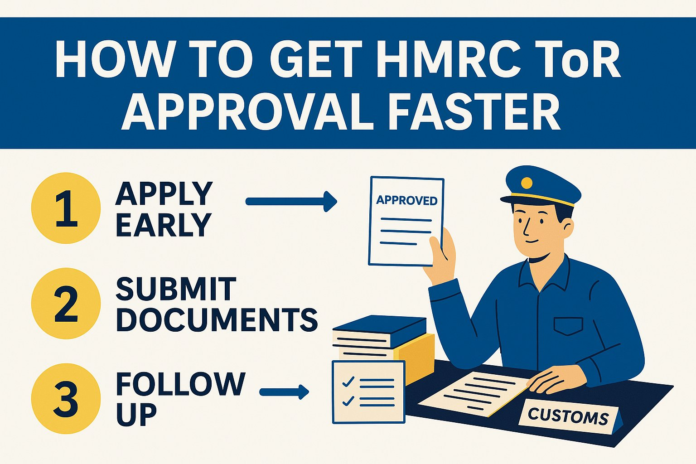
How can I get ToR approval faster?
Apply online early.
Upload all documents at once (proof of residence, ID, tenancy).
Avoid sending compressed ZIP files.
Use clear filenames (e.g., “passport.pdf”).
🔗 How to Get HMRC ToR Approval Faster 2025
How do I prove my move is permanent?
Provide:
Terminated tenancy in origin country
New employment or rental contract in destination country
Deregistration certificate (Abmeldung) if moving from Germany
How can I avoid double taxation on my belongings?
Ensure both export (BC-EAD) and import (ToR/Form 0350) are filed correctly.
Without BC-EAD, Germany might charge export VAT.
Without ToR/Form 0350, you pay import VAT again.
What’s the safest way to ship high-value goods?
Use air freight or dedicated truck service with declared value insurance.
Avoid shared groupage for fragile antiques or art.
9.9 Corporate & HR Moves
Can my employer handle customs for me?
Yes. Many corporations work with relocation providers who manage documentation, brokerage, and tax filings.
🔗 Corporate Relocation Guide 2025
Are corporate moves tax-deductible?
Yes, for companies. For individuals, moving expenses may be deductible in Germany if job-related (Werbungskosten).
Can companies claim VAT back on relocation costs?
Only if they’re VAT-registered and the move relates to business activities (not personal relocation).
9.10 Other Frequent Questions
Can I track my shipment through customs?
Yes. Most brokers provide tracking through HMRC CDS or the EU’s NCTS (New Computerised Transit System).
Can I bring my pet snake or exotic bird?
Only with CITES (Convention on International Trade in Endangered Species) documentation.
Authority: CITES Permits – GOV.UK
Is customs paperwork digital or paper?
As of 2025, both HMRC and Zoll require digital submissions only. Paper copies are for reference.
Do I need to declare gifts?
Yes, unless they’re under £39 in value and clearly marked as “gift.” Larger gifts are taxable.
What happens if I lie on customs forms?
False declarations can result in fines, seizure, or denial of ToR relief. Always declare truthfully.
Glossary
| Term | Definition |
|---|---|
| ToR1 | UK’s Transfer of Residence form allowing duty-free import of household goods. |
| Form 0350 | German customs form for duty-free import when relocating to Germany. |
| BC-EAD | Export document confirming goods left the EU legally. |
| T1 | Common Transit document for non-EU goods in transit between borders. |
| CDS / CHIEF | UK customs declaration platforms (CDS replaces CHIEF). |
| ICS2 | EU security system for pre-arrival goods data. |
| EORI | Business registration number for cross-border trade. |
| CITES | Convention regulating trade in endangered species. |
| Werbungskosten | German tax deduction category for employment-related costs. |
| Groupage | Shared transport container with multiple shipments to reduce cost. |
10. Related Reading — Deep Dives & Practical Guides
For readers that need granular, verified detail, these posts expand on specific sub-topics covered in this Customs Master Guide:
10.1 Customs Documentation & Clearance
- 📄 What Documents Do I Need for Customs Clearance Between Germany & the UK in 2025?
- 🕒 How Long Does Customs Clearance Take UK ↔ Germany in 2025?
- 💰 Customs Clearance Costs When Moving From Germany to the UK – 2025 Guide
10.2 Forms & Applications
- 🇩🇪 German Customs Form 0350 Explained – Moving to Germany in 2025
- 🇬🇧 Understanding the Transfer of Residence (ToR1) Application
- ⚙️ How to Apply for HMRC Transfer of Residence (ToR1) in 2025
- 📦 BC-EAD Export Declaration Explained – Germany → UK 2025 Guide
- 🧾 Ausfuhrbegleitdokument (ABD) & Ausgangsvermerk (AGV) Explained
10.3 Special Categories & Logistics
- 🐾 How to Move Pets From Germany to the UK – Rules, Costs & Timeline
- 🚗 Germany → UK Car Relocation – Costs & Rules 2025
- 💡 How to Move Electronics Safely Between the UK and Germany
- 🪴 Step-by-Step Packing List for Customs (Template)
10.4 Cost & Tax Breakdowns
- 💸 The Real Cost of Moving Between Germany and the UK in 2025
- 📉 Cheapest Ways to Move Between Germany & the UK (2025)
- ⚠️ Hidden and Overlooked Moving Costs in 2025
10.5 Regulatory Changes & Expert Advice
- 🧭 Germany → UK Customs After Brexit – What Changed in 2025
- 🧾 Do I Need a Customs Broker When Moving Between Germany & the UK?
- 🕵️ How to Get HMRC ToR Approval Faster (2025)
11. Comprehensive Customs Glossary (2025 Edition)
| Term | Definition |
|---|---|
| ToR1 | HMRC “Transfer of Residence” application granting duty-free import of used household goods. |
| Form 0350 | German Zoll document for duty-free import when moving residence to Germany. |
| BC-EAD / ABD | German export document proving legal departure of goods from the EU. |
| T1 Transit Document | Common Transit Convention form allowing goods to move between customs territories without duty until final clearance. |
| ATLAS | Germany’s electronic customs declaration platform. |
| CDS (Customs Declaration Service) | HMRC’s digital replacement for CHIEF, used for all UK imports and exports. |
| EORI Number | Economic Operator Registration and Identification number required for business imports/exports. |
| ICS2 | EU Import Control System 2 — collects security data before goods arrive in the EU. |
| NCTS | New Computerised Transit System tracking T1 movements between customs offices. |
| Phytosanitary Certificate | Official plant-health document confirming pest-free status for plants and soil. |
| CITES Permit | Licence for the movement of endangered species or related products. |
| Excise Duty | Special tax on alcohol, tobacco and certain luxury goods. |
| TÜV | Technischer Überwachungsverein – German vehicle inspection authority. |
| Groupage Shipping | Shared truck or container transport where multiple customers split costs. |
| Hybrid Clearance | Combination of DIY application (ToR/Form 0350) and professional broker port clearance. |
| Werbungskosten | German tax term for employment-related expenses that may include relocation costs. |
| E-Customs (2025) | Integrated digital system connecting HMRC CDS with EU ATLAS for streamlined declarations. |
12. Conclusion — Mastering UK ↔ Germany Customs in 2025
Relocating between the UK and Germany in 2025 is no longer a simple door-to-door move — it’s a border-regulated import/export process.
Yet, with the right paperwork and strategy, you can move seamlessly and duty-free.
Key Takeaways
- Always apply early for ToR1 or Form 0350 (6–8 weeks before shipping).
- Use BC-EAD or T1 to prove export origin and avoid duplicate VAT.
- Label and itemize everything — detailed packing lists prevent delays.
- Hire a licensed broker for complex or high-value moves.
- Stay compliant with DEFRA, HMRC, and Zoll updates — rules evolve annually.
Official Reference Corner
- HMRC – Transfer of Residence Relief
- Zoll – Moving to Germany
- DEFRA – Importing Plants & Animals
- European Commission – TARIC Goods Classification
Ready to start your Journey?
If you’re planning your full relocation:
- Start with the Germany → UK Full Guide
- Then read the UK → Germany Full Guide