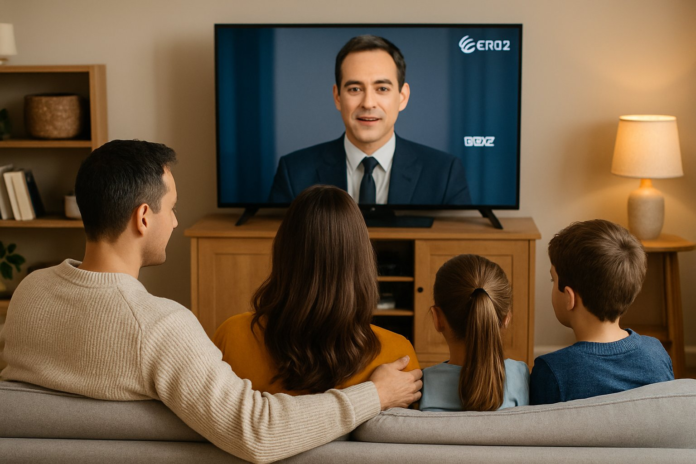
Moving to Germany in 2025 means adapting not only to a new culture and language but also to Germany’s unique system of household administration. One of the most common surprises for new arrivals is the Rundfunkbeitrag – the German broadcasting fee. Many expats are shocked when they receive a letter demanding payment, even if they don’t own a TV. But in Germany, the Rundfunkbeitrag is mandatory for all households, whether you consume public broadcasting services or not.
This guide explains everything you need to know about the fee: what it is, why it exists, how much it costs, who must pay, exemptions, registration process, and practical tips for expats.
👉 For the complete relocation process, see our pillar guide: Expat Essentials for Moving from the UK to Germany in 2025.
1) What is the Rundfunkbeitrag?
The Rundfunkbeitrag is Germany’s household-based broadcasting contribution. It funds the country’s public broadcasters:
- ARD (regional broadcasters like WDR, BR, NDR)
- ZDF (Second German Television)
- Deutschlandradio
Unlike the UK’s TV licence fee, which applies only if you watch live TV, the German system charges every household a flat monthly fee regardless of device ownership. This ensures universal funding for public broadcasting, seen as an essential part of democracy and cultural life.
📌 Official source: ARD ZDF Deutschlandradio Beitragsservice – Rundfunkbeitrag
2) Why Does Germany Charge This Fee?
Germany’s public broadcasting system is based on the principle of independence from government and advertising pressure. The Rundfunkbeitrag provides secure funding so broadcasters can:
- Deliver unbiased news coverage.
- Offer educational programmes and documentaries.
- Provide cultural programming (theatre, opera, history).
- Broadcast emergency information nationwide.
For Germans, paying this fee is seen as a civic responsibility. For expats, it may feel unusual, but understanding its role helps avoid frustration.
👉 Related: German Anmeldung Explained: Step-by-Step Guide for Expats.
3) How Much Does the Rundfunkbeitrag Cost in 2025?
As of January 2025, the fee is:
- €18.36 per month per household
- Usually billed quarterly at €55.08
Important:
- The amount is per household, not per person.
- Whether one or five people live in the flat, only one fee is due.
- Students in shared apartments can split the fee.
4) Who Has to Pay the Rundfunkbeitrag?
✅ Everyone with a registered residence (Anmeldung) in Germany must pay.
✅ Students renting private flats or WG (shared housing).
✅ Families (only one payment per address).
✅ Expat workers, even if here temporarily.
❌ Possible exemptions:
- Recipients of unemployment benefits (ALG II, Sozialhilfe, BAföG).
- People with disabilities who qualify for assistance.
- Institutional housing (care homes, military barracks).
👉 Related: How to Open a German Bank Account in 2025 – Step-by-Step Guide.
5) The Link Between Anmeldung and Rundfunkbeitrag
Once you complete your Anmeldung (address registration) at the Bürgeramt, your details are shared with the Beitragsservice (the agency responsible for collecting the fee).
- Within 4–6 weeks, you will receive a letter.
- The letter will include your account number and payment instructions.
- If no letter arrives, you are still legally obliged to register online.
📌 Official link: Register with Beitragsservice (Official)
👉 Related: Anmeldung in Germany – Complete 2025 Guide.
6) How Do You Register and Pay?
Step 1 – Receive a Letter
Most expats receive an official letter after Anmeldung.
Step 2 – Confirm or Register
If the letter arrives, follow the instructions. If not, go to the official website and register manually.
Step 3 – Choose a Payment Method
- Quarterly SEPA direct debit (most common).
- Bank transfer (you must remember deadlines).
Step 4 – Keep Proof of Payment
Always save bank statements – some landlords or authorities may request proof.
7) What If You Don’t Pay the Rundfunkbeitrag?
Failure to pay has consequences:
- First, you’ll get reminders.
- Then late fees (up to €8 per missed payment).
- Eventually, the Beitragsservice can involve debt collectors (Inkasso).
- Non-payment does not disappear when leaving Germany – debts can follow you abroad.
⚠️ Important: “I don’t own a TV” is not a valid excuse. The fee applies to households, not devices.
8) Students and Expats: Common Questions
Do students have to pay?
Yes, unless they live in a student dormitory where the university covers the fee. Students in private flats must pay.
Can flatmates share the fee?
Yes. Only one payment per flat. One person registers, others contribute informally.
What if I move apartments?
You must update your address with the Beitragsservice (similar to redoing Anmeldung).
👉 Related: Student Moving Guide Germany → UK in 2025.
9) Exemptions and Reductions
Exemptions are rare, but possible if:
- You receive German social benefits.
- You live in institutional housing.
- You qualify for disability-related relief.
Applications for exemption require proof (Bescheid) from the authority granting your benefits.
📌 Official details: Rundfunkbeitrag Exemptions
10) Practical Tips for Expats
- Register early: Don’t wait for letters, register proactively.
- Share costs: If living in a WG, agree who pays.
- Keep documents: Meldebescheinigung + Beitragsnummer are often needed for contracts.
- Plan your budget: Add €220/year into your living expenses.
👉 Related: Health Insurance in Germany for Expats – Complete 2025 Guide.
11) Rundfunkbeitrag in Major Cities
While the fee is nationwide, experiences differ:
- Berlin: Letters often delayed; many expats must register themselves.
- Munich: Efficient but stricter about payment reminders.
- Hamburg: English-speaking support available.
- Frankfurt: Letters usually arrive within 4 weeks.
For the full roadmap to living, working, and settling between both countries, explore the Relocation Strategy Master Guide (2025).
12) FAQs
Do tourists or short-term stays need to pay?
No. Only residents with Anmeldung.
Can I pay yearly instead of quarterly?
Yes, you can request annual payment.
Can I cancel when leaving Germany?
Yes. Submit proof of Abmeldung (deregistration) to stop charges.
What if I ignore the letters?
Late fees, then collection agencies.
Is this the same as the UK TV licence?
Not exactly. The UK TV licence applies per household only if watching live TV. In Germany, every household pays, regardless of TV use.
✅ Key Takeaways
- The Rundfunkbeitrag is mandatory for all German households.
- Costs €18.36/month per household.
- Linked directly to your Anmeldung.
- Students and families can share costs.
- Exemptions exist but are limited.
- Non-payment leads to fines and debt collection.
👉 For the full relocation process, see our pillar: Expat Essentials for Moving from the UK to Germany in 2025.
📚 Related Reading: